

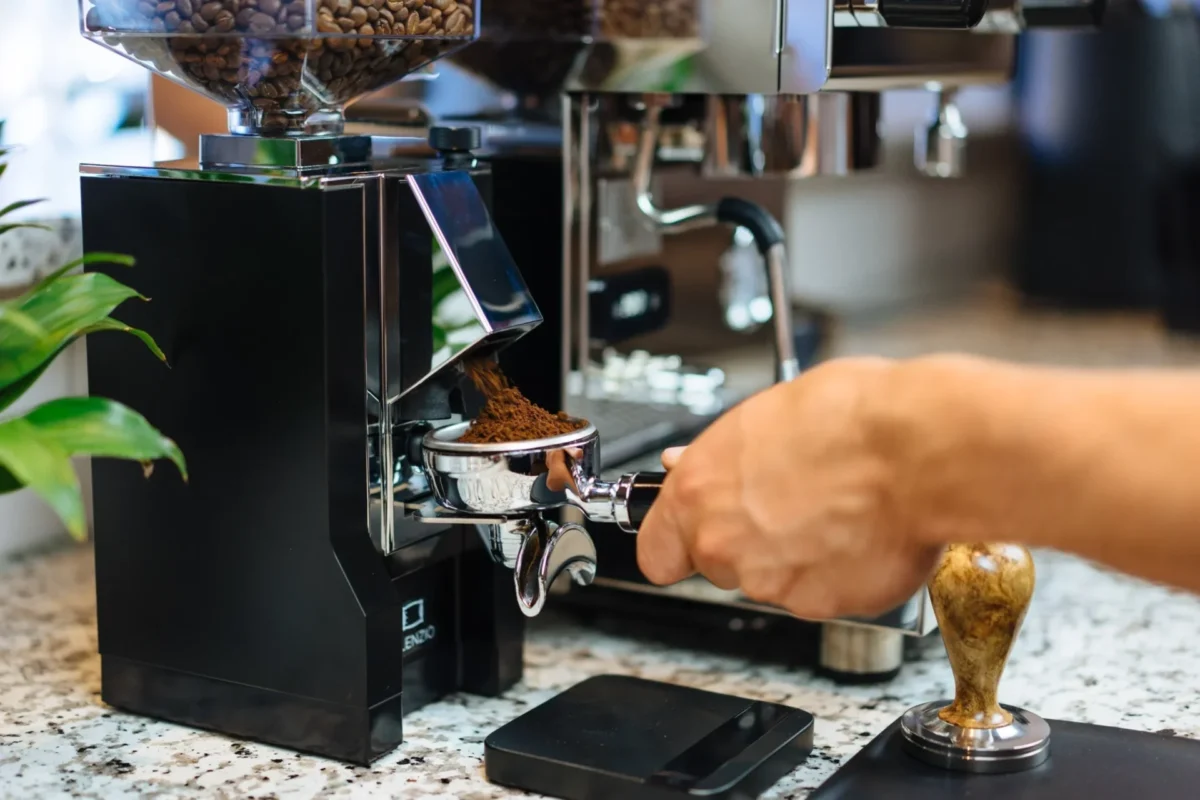
A simple guide to how espresso machines and grinders work together to improve office coffee quality and employee satisfaction.
Providing high quality espresso in the office starts with the right equipment. Espresso machines and grinders work together as a system, and understanding how they function helps businesses choose solutions that deliver consistent results, fast service, and a better breakroom experience.
Why Espresso Machines Matter in the Workplace
A professional espresso machine allows your team to enjoy drinks that match the taste and consistency of a cafe. Modern equipment automates dosing, temperature stability, and milk preparation. This ensures that each drink tastes the same regardless of who is using the machine.
For busy offices, reliability and ease of use are essential. Commercial machines are designed to handle steady daily volume, offer intuitive touchscreens, and provide advanced self cleaning features that help keep every cup fresh.
The Role of the Grinder
The grinder is just as important as the machine itself. Freshly ground coffee improves flavor, aroma, and crema quality. A consistent grind size ensures proper extraction, which is what creates the rich body and balanced taste that people expect from espresso.
In office settings, a high quality grinder maintains uniformity from cup to cup. This reduces waste, prevents bitterness, and supports faster drink preparation.
Types of Espresso Machines for Offices
1. Super Automatic Espresso Machines
Super automatic machines handle grinding, tamping, brewing, and milk preparation in one streamlined system. They are ideal for offices because they require almost no training and support a wide menu of drinks with a single touch.
Benefits for workplaces include:
• Fast drink output
• Easy operation for employees
• Consistent flavor and extraction
• Built in cleaning cycles
These machines eliminate guesswork and keep performance steady throughout the day.
2. Capsule Based Espresso Systems
Systems like the Nespresso Momento series provide convenience, portion control, and premium quality in a compact footprint. Capsules maintain freshness and minimize cleanup, which makes them popular in offices that want reliability with minimal maintenance.
3. Traditional Espresso Machines
Some workplaces prefer a more hands on experience. Traditional machines allow precise control over grind, tamp, and extraction. These machines are ideal for hospitality areas, executive lounges, or environments where barista style beverages are part of the experience.
How the Machine and Grinder Work Together
The relationship between machine and grinder determines the final cup quality. A well calibrated grinder sets the foundation for flavor by controlling grind size. The machine then manages temperature, pressure, and extraction timing.
When both pieces work in harmony, offices enjoy:
• Better taste and crema
• Faster and more consistent preparation
• Reduced waste and maintenance issues
• Higher employee satisfaction
Professional equipment optimizes workflow, supports a wide drink menu, and keeps every cup dependable throughout the day.
Key Features Offices Should Look For
To choose the right setup, consider:
• Cup volume and daily traffic
• Drink variety and menu needs
• Space and electrical requirements
• Self cleaning capabilities
• Automatic milk systems
• Integration with fresh milk or powdered options
• Grinder capacity and consistency
A properly selected solution improves breakroom efficiency and creates a premium experience that keeps employees energized.
How Best Office Coffee Service Helps
Choosing the right espresso machine and grinder can feel complicated. Best Office Coffee Service guides businesses through the entire process. Our team evaluates your office size, drink preferences, and workflow needs. We install the equipment, provide ongoing service, and keep your breakroom stocked with coffee, milk, and supplies.
Whether your workplace needs a compact system, a super automatic machine, or a full barista style setup, we design a program that makes espresso simple, reliable, and enjoyable.
FAQ
What does an espresso machine do in an office setting?
An espresso machine brews concentrated coffee by using precise pressure and temperature. In offices, it automates the process so any employee can make consistent drinks with minimal training.
Why is a grinder important for espresso?
A grinder controls the fineness of the coffee grounds, which affects flavor and extraction. A consistent grind helps produce better tasting espresso with balanced aroma and crema.
What type of espresso machine is best for workplaces?
Most offices choose super automatic machines because they grind, tamp, brew, and steam milk automatically. They prepare drinks quickly and stay consistent throughout the day.
Do offices need a separate grinder?
Super automatic machines have built in grinders, while traditional machines require a standalone grinder. Workplaces that want barista level control use separate grinders for precision and consistency.
How much maintenance do espresso machines require?
Modern machines include automated cleaning cycles. Offices mainly need to refill beans, empty waste bins, and schedule periodic service to keep the machine performing at its best.
Can espresso machines handle high daily volume?
Commercial espresso machines are built for reliability and can support steady daily traffic. Super automatic units can produce dozens or even hundreds of drinks per day depending on the model.